









Exploring the Future of Media in the Age of AI
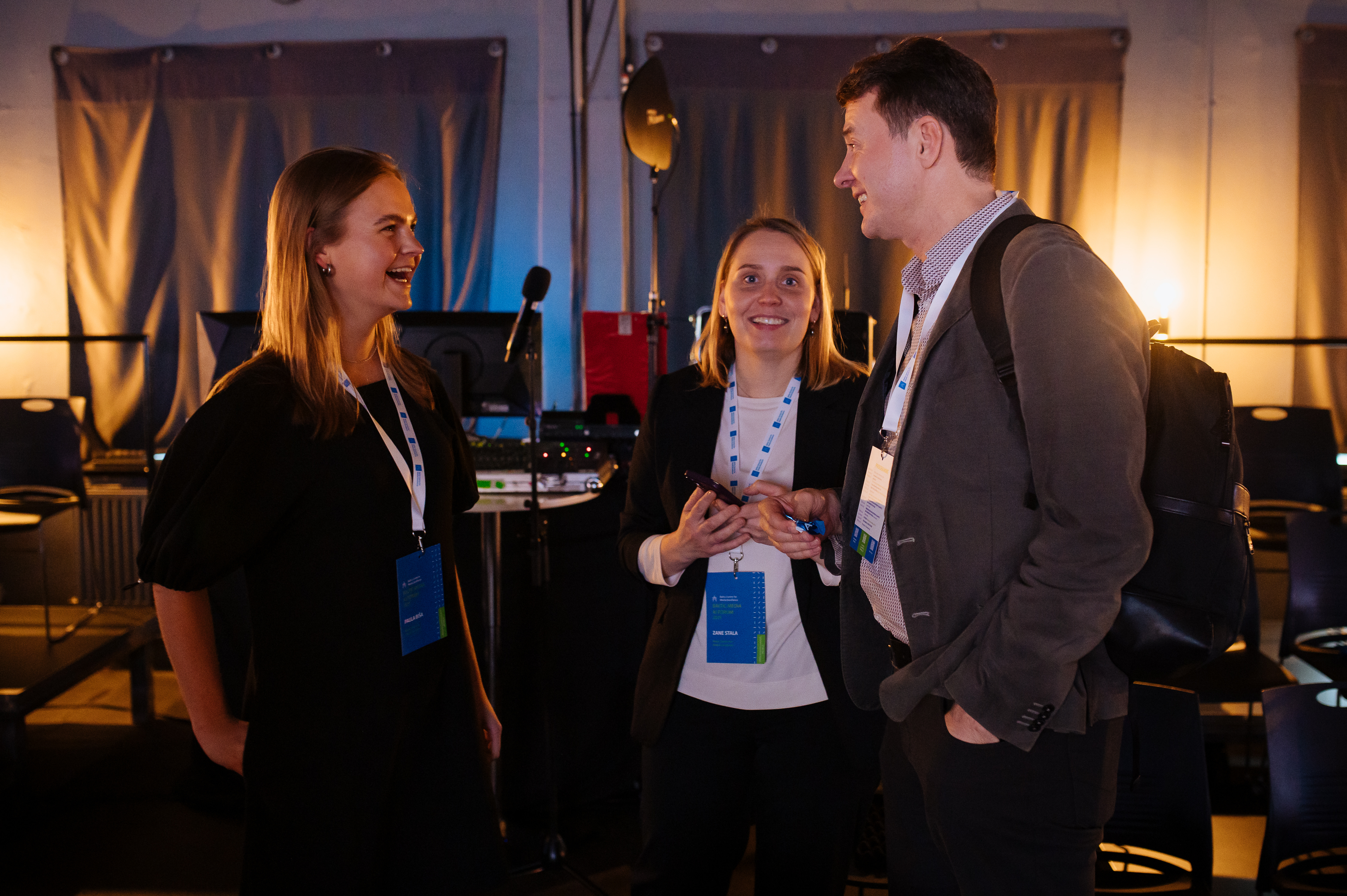
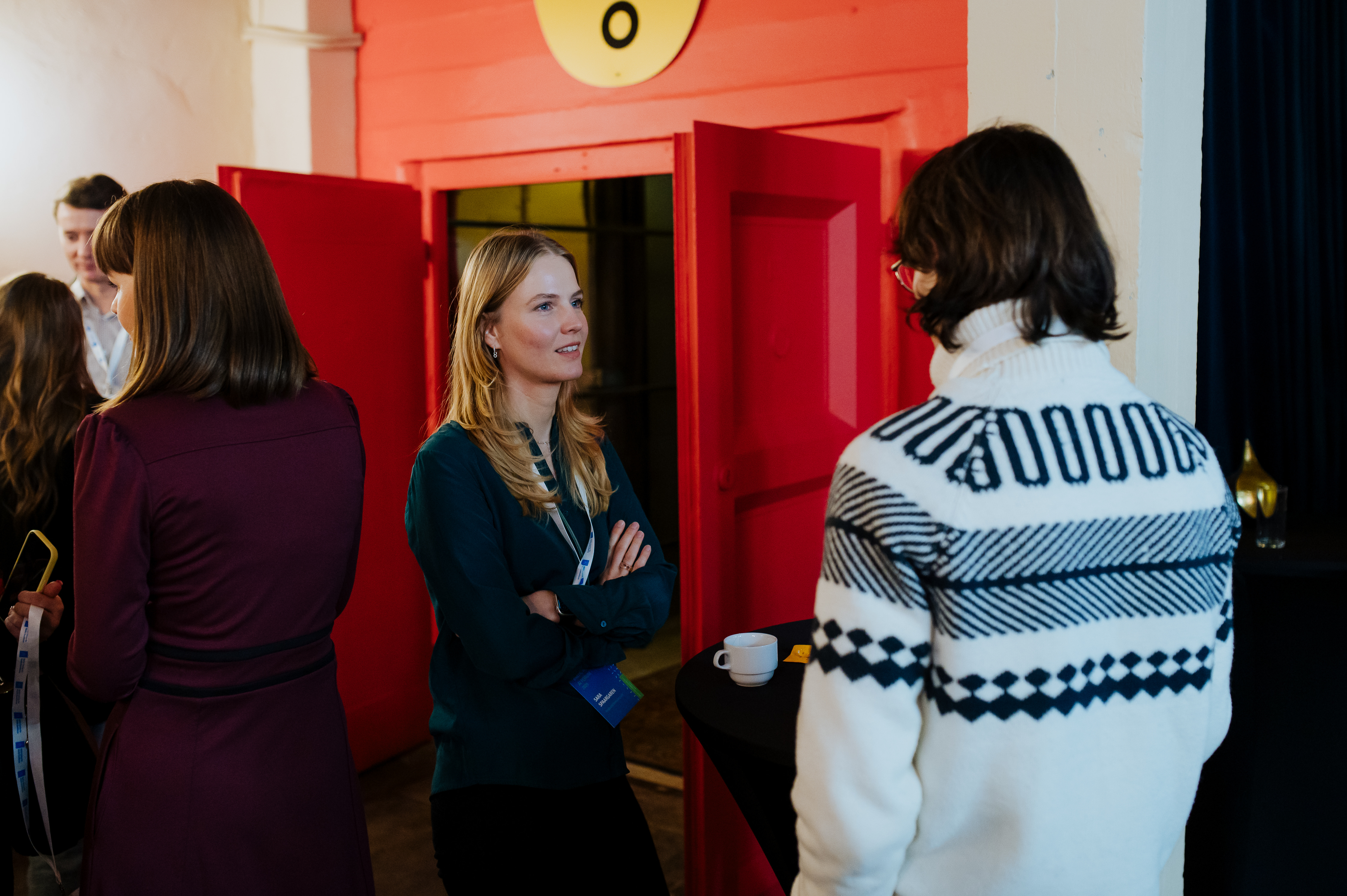
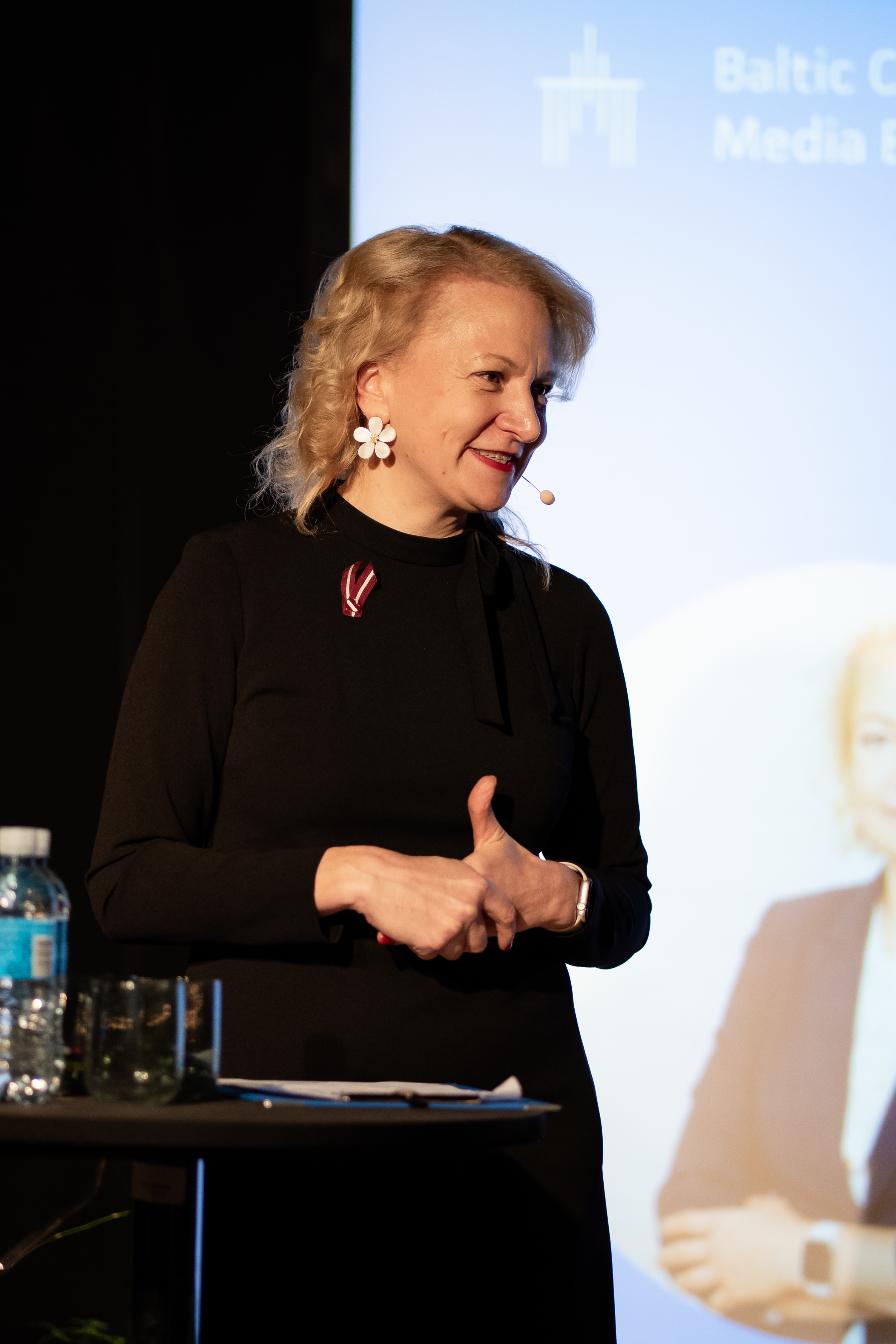
On 14 November 2025, the Baltic Centre for Media Excellence hosted the BCME AI Forum 2025 in Riga, bringing together some of Europe’s most innovative media professionals, researchers, and practitioners working at the intersection of journalism and artificial intelligence.
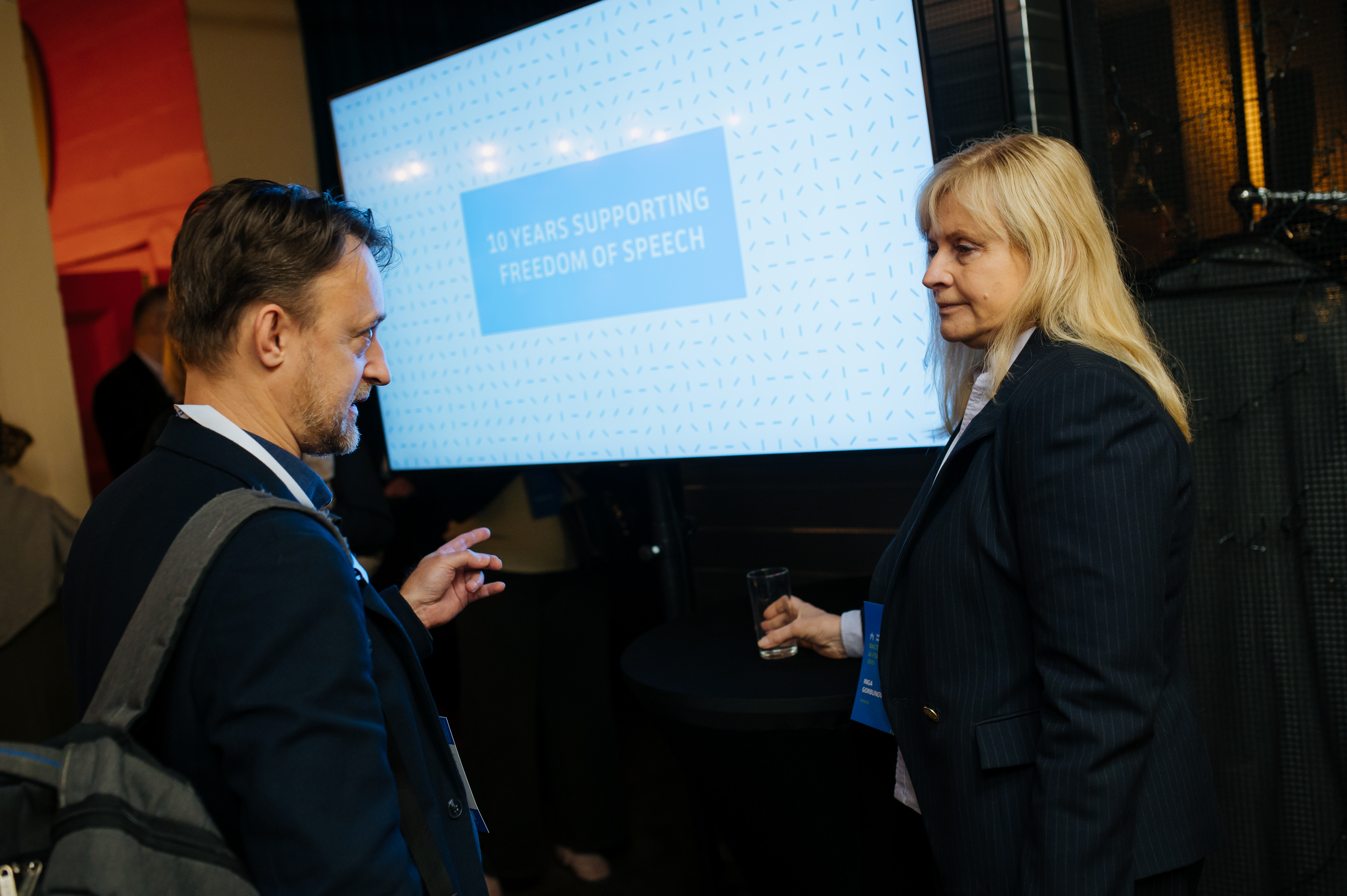
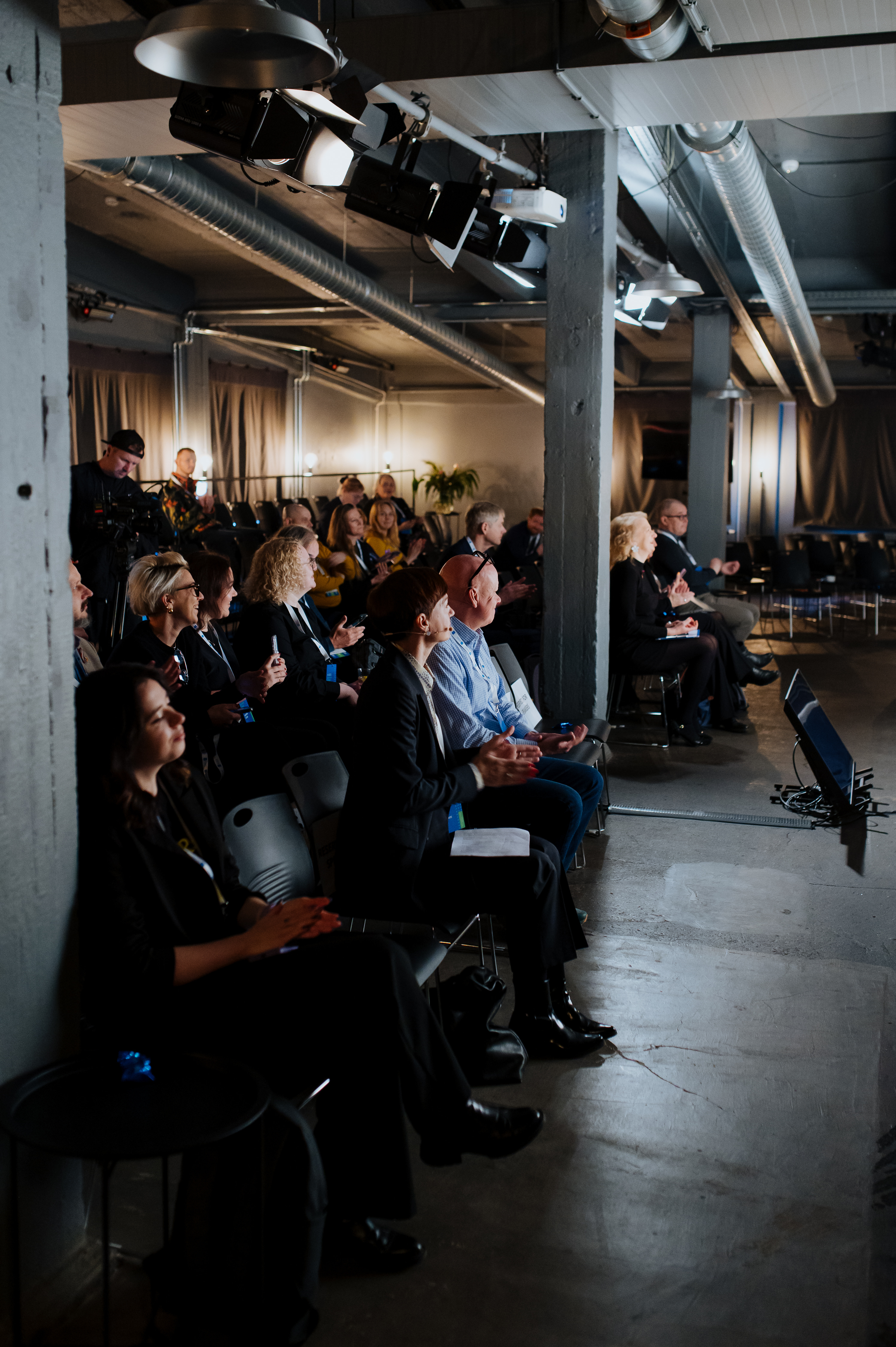
The event marked a special milestone — 10 years since the establishment of BCME — and served both as a celebration and a forward-looking discussion on how AI is reshaping the media landscape. Around 80 participants took part, including representatives of the Baltic media community, international experts, researchers, policymakers, and diplomats.
Opening reflections and keynote insights
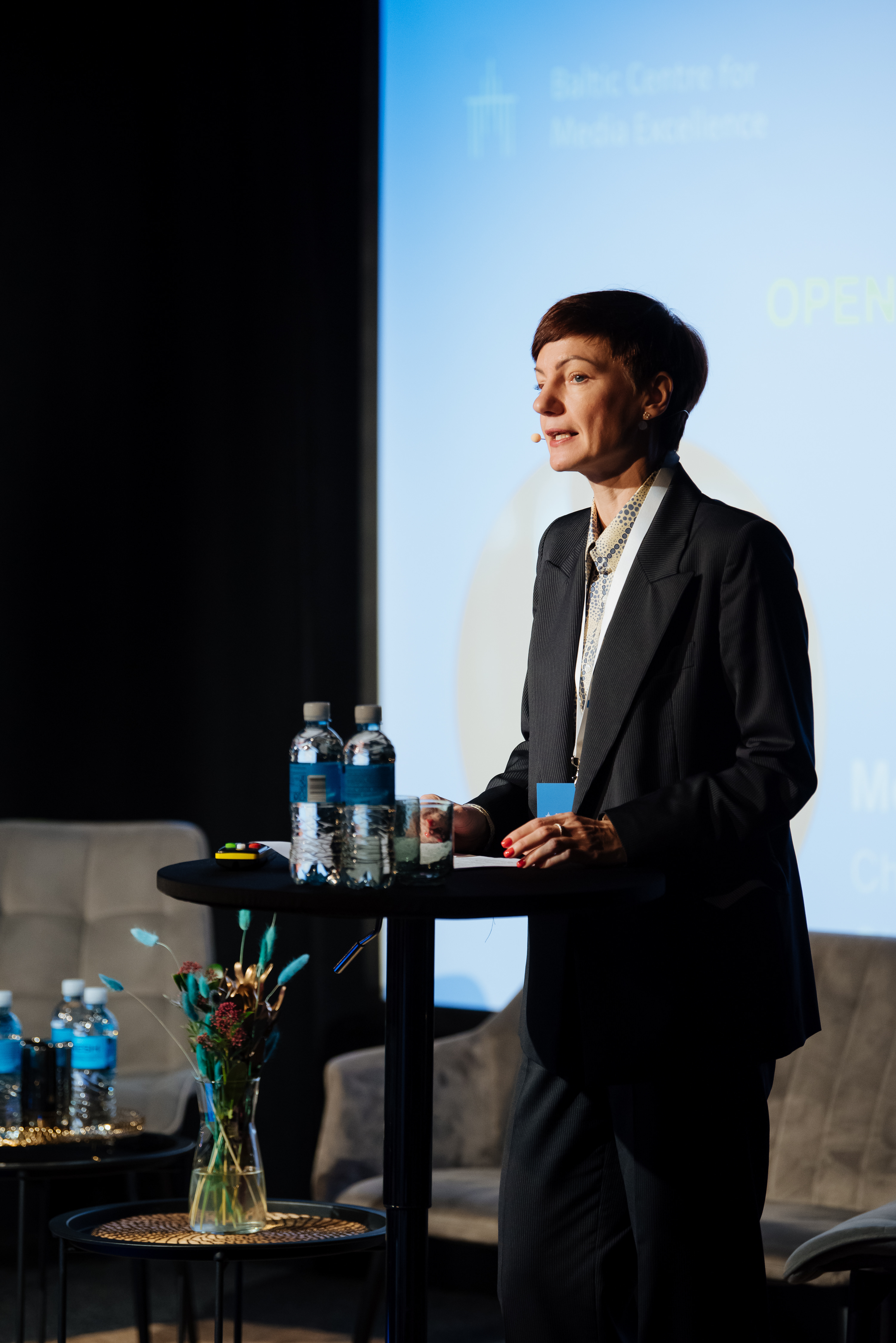
The forum opened with welcoming remarks from Monika Garbačiauskaitė-Budrienė, Chair of the BCME Board and Chair of the LRT Board. She highlighted the urgency of addressing AI’s growing impact on the media sector, while also drawing attention to broader challenges facing democracy in Europe and increasing threats to free and independent media.
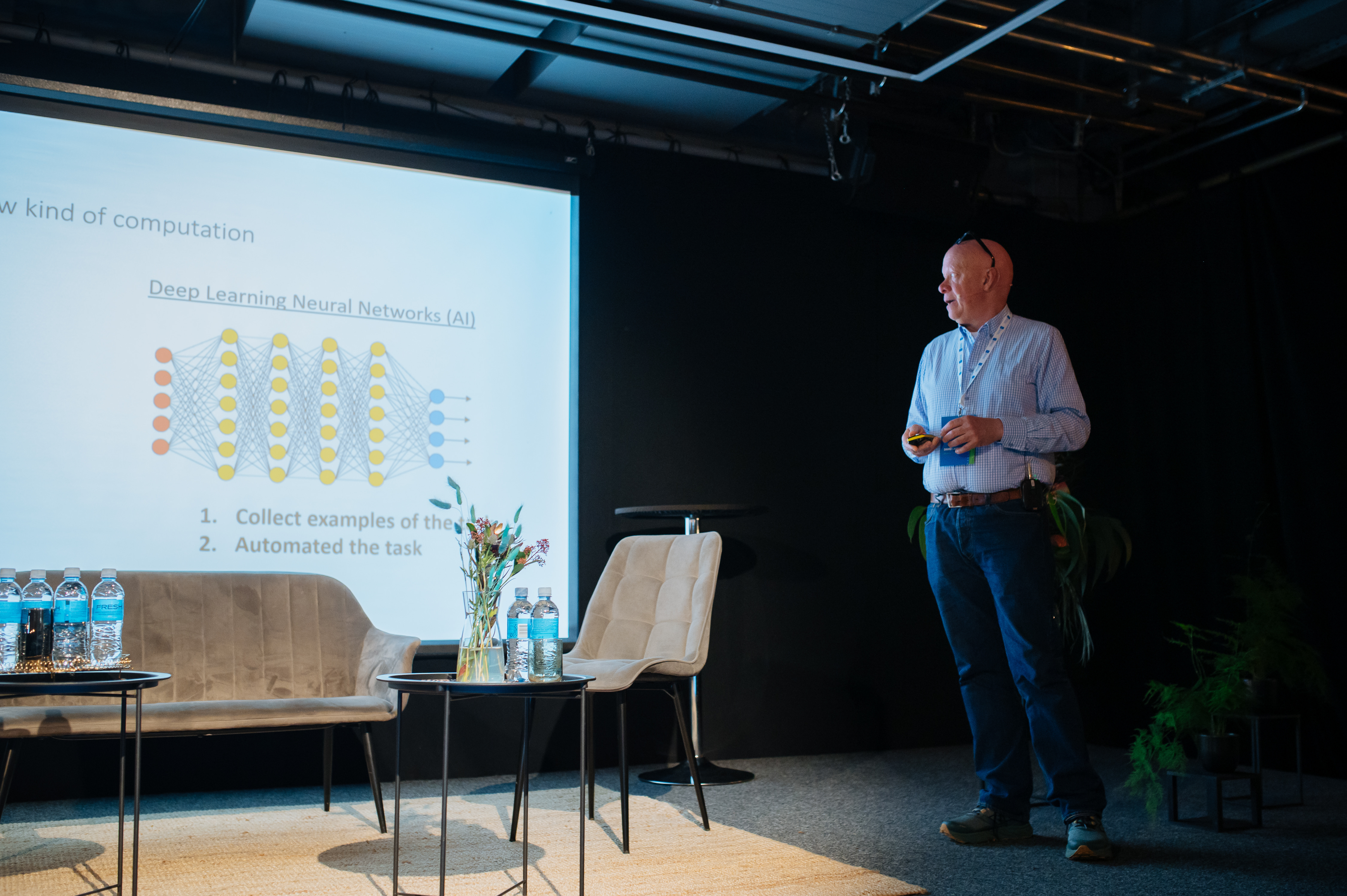
This was followed by a keynote address, “The Emerging AI-Mediated Information Ecosystem”, delivered by David Caswell (StoryFlow, UK). His presentation offered a thought-provoking overview of structural shifts in the information environment and their implications for media integrity, editorial workflows, and public trust.
Baltic perspectives on AI in the newsroom
A panel discussion titled “Baltic Media in the Age of AI” brought together media representatives from Estonia, Latvia, and Lithuania:
Ivar Krustok (Eesti Ekspress Group), Inga Alika-Stroda (Latvian Public Service Media – LSM), and Izabelė Pukėnaitė (Cybernews).
The discussion explored newsroom transformation, the pace of AI adoption, and shared regional challenges and opportunities. While approaches varied across countries, the panel reflected a strong willingness to experiment, adapt, and learn.
Research insights and regional context
A broader analytical perspective was provided by Vera Slavtcheva-Petkova, who presented insights from the Global Worlds of Journalism Study. Her contribution highlighted how structural pressures, political dynamics, and technological disruption intersect in the Baltic media environment, offering valuable comparative context for the discussions throughout the day.
Practical applications and European experiences
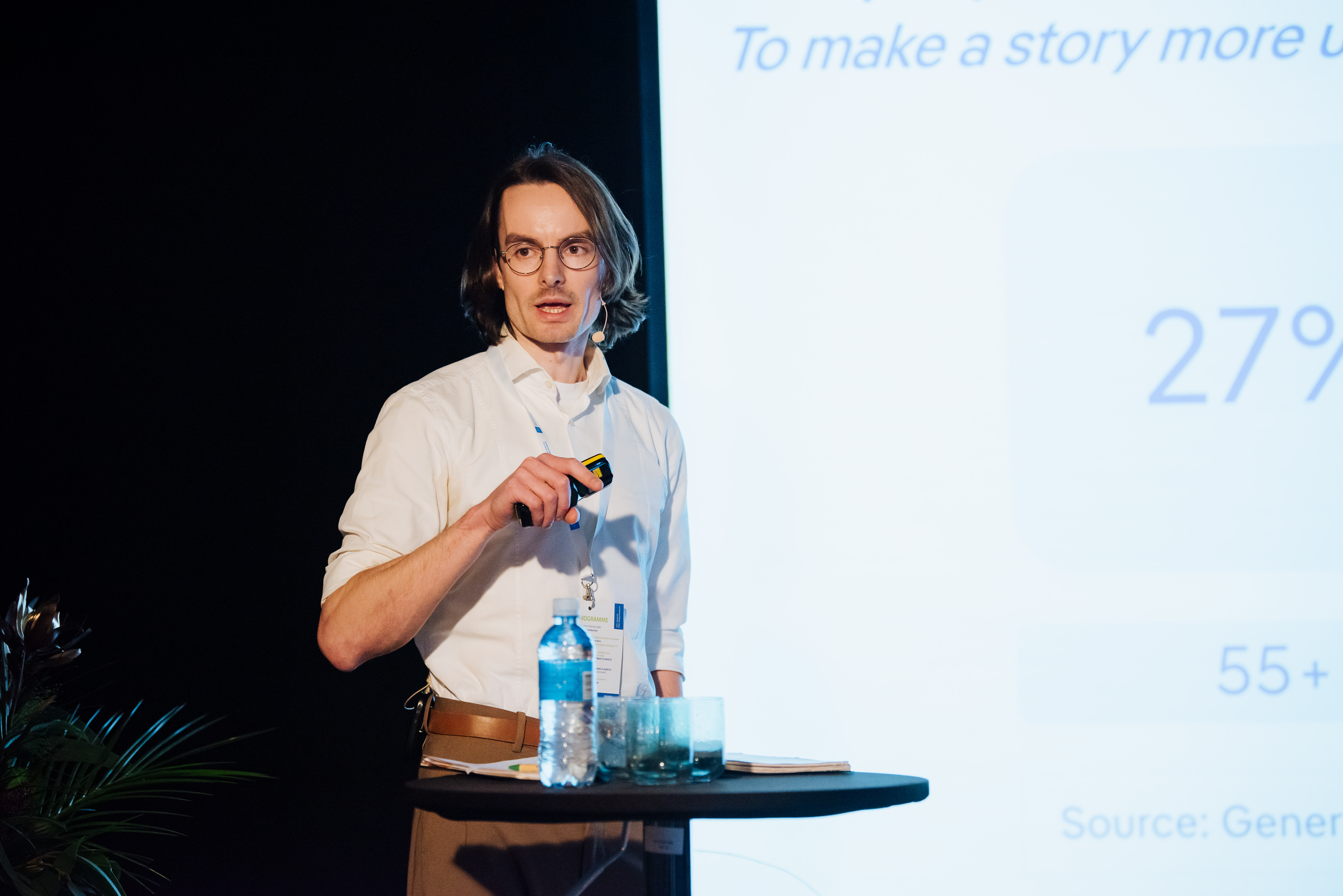
The programme continued with a series of short presentations showcasing AI applications, tools, and research from across Europe. Speakers included:
-
Alex Matthews (Deutsche Welle, Germany)
-
Andy Dudfield (Full Fact, UK)
-
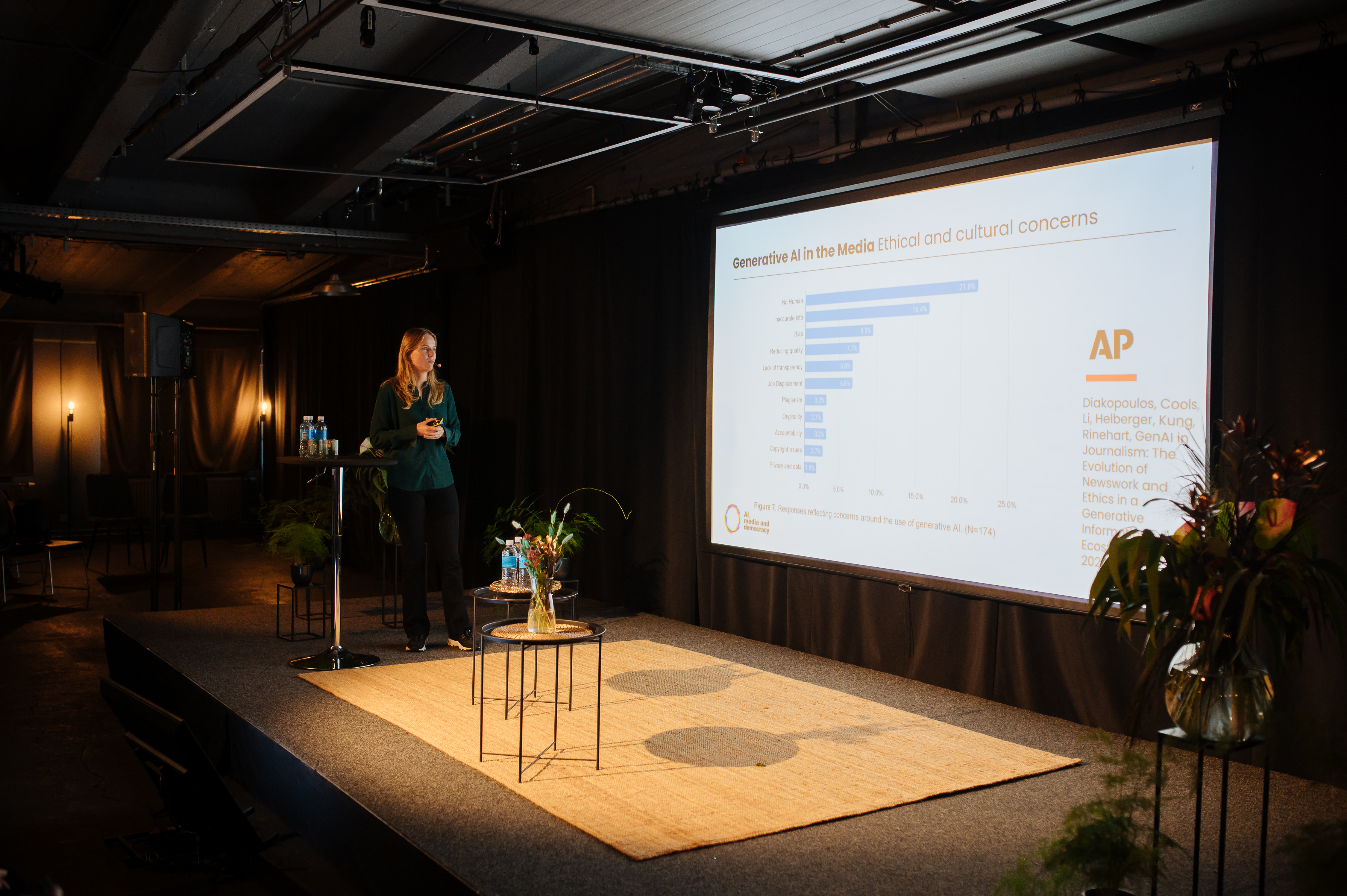
Sara Spaargaren (AI, Media & Democracy Lab, Netherlands)
-
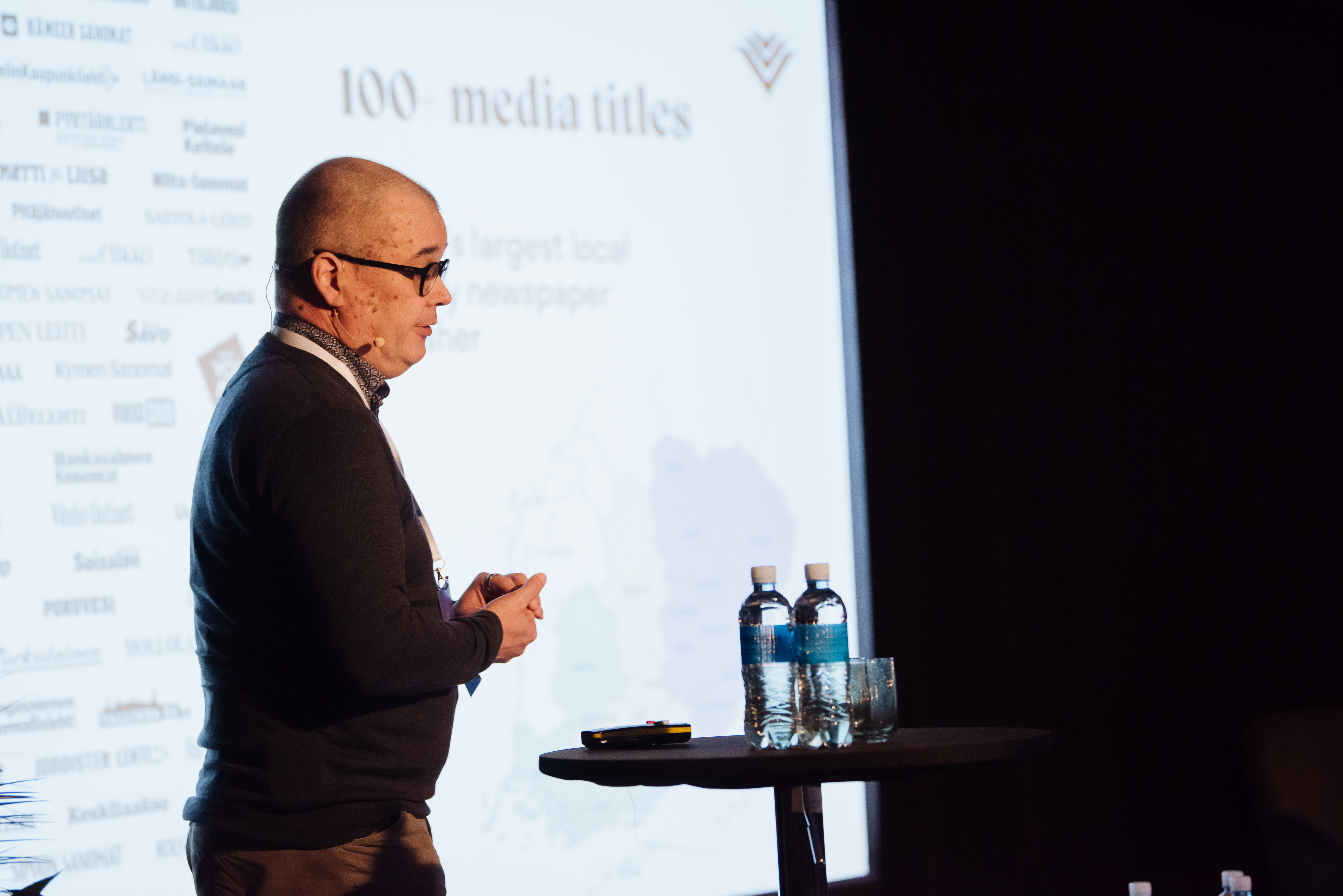
Matti Niskanen (Keskisuomalainen Oyj, Finland)
-
Sergei Yakupov (Novocean)
-
Branislava Lovre (AImedia / AImpactful, Serbia)
-
Kateryna Noshkaliuk (Rayon.in.ua, Ukraine)
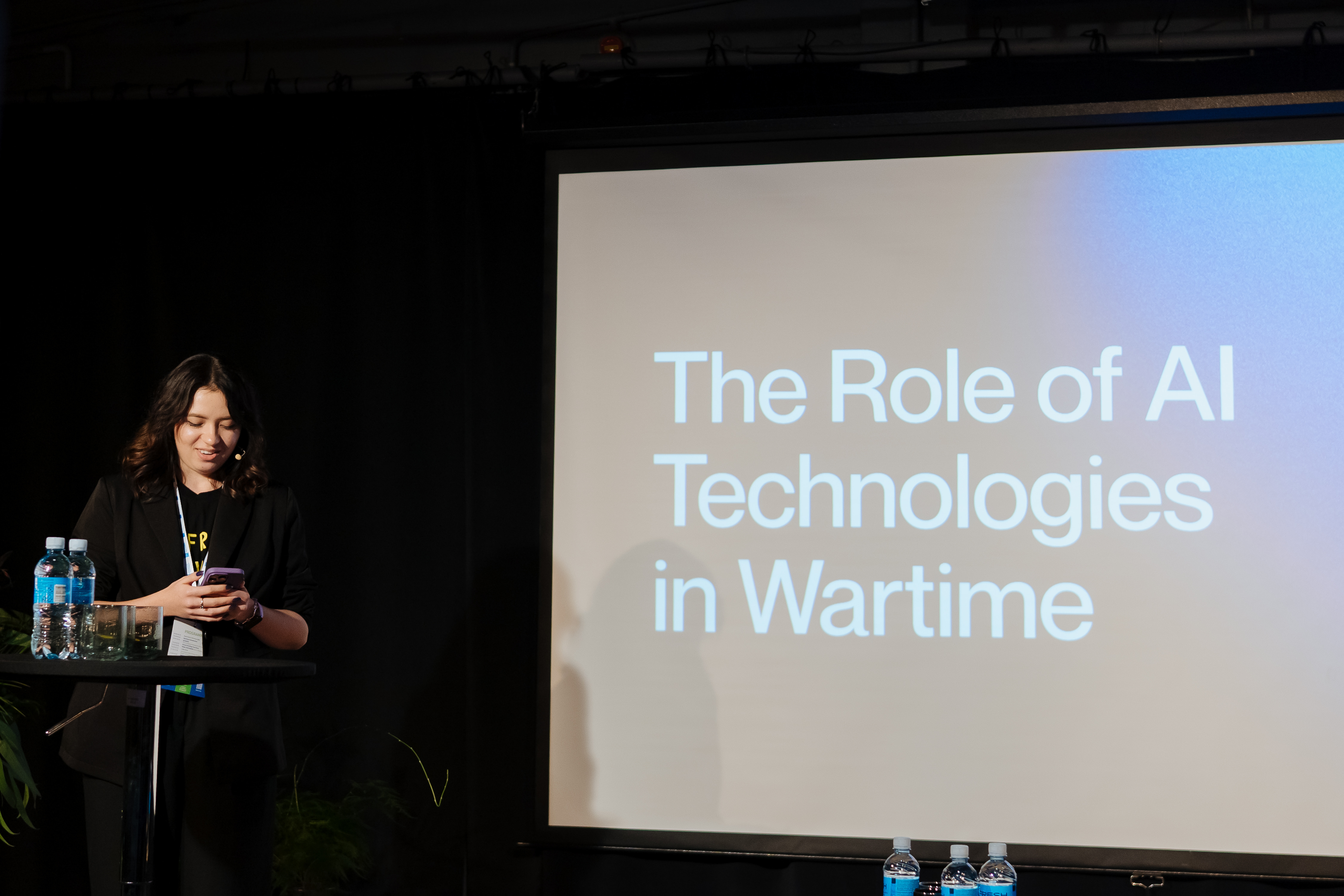
Their contributions covered a wide range of topics, including chatbot reliability, fact-checking automation, responsible AI practices, local newsroom use cases, data protection, innovation strategies, and the role of AI in wartime reporting.
Closing keynote
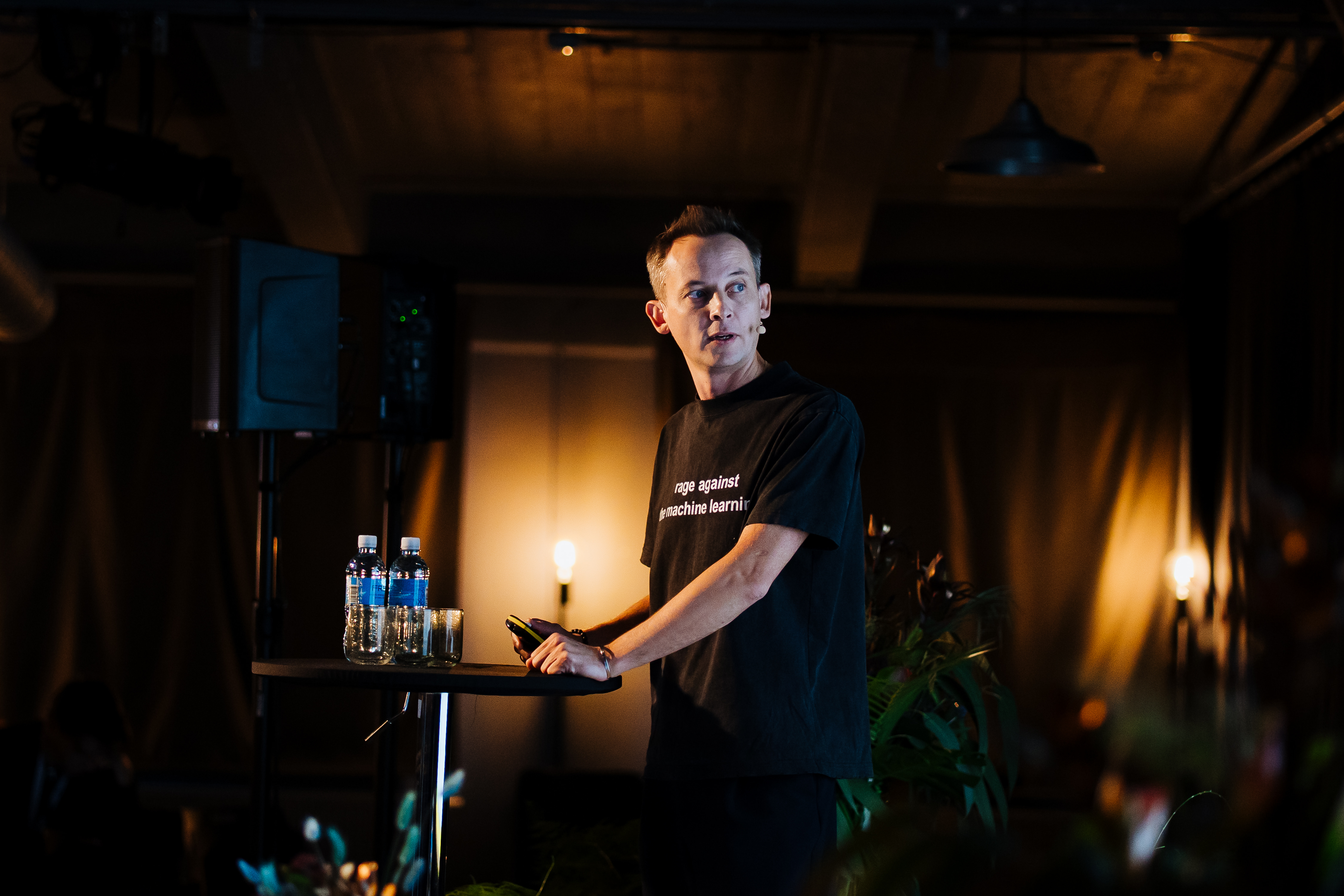
The forum concluded with a keynote by Ole Reissmann, Head of AI at Der Spiegel (Germany), who shared concrete examples of editorial innovation, AI-supported newsroom workflows, and lessons learned from one of Europe’s leading media organisations.
Key takeaways
The BCME AI Forum 2025 clearly demonstrated that AI is no longer a distant prospect for journalism — it is already an active and rapidly evolving part of media practice. Several key themes emerged throughout the day:
-
Collaboration is essential. Baltic media organisations face similar challenges and can accelerate progress through shared learning and coordinated approaches.
-
Skills development remains crucial. Journalists and media managers require continuous training to understand AI’s capabilities, limitations, and risks.
-
Trust and integrity must remain at the core. As AI increasingly mediates information flows, safeguarding credibility and public trust is more important than ever.
The forum reaffirmed BCME’s role as a platform for dialogue, experimentation, and cooperation — supporting media professionals as they navigate technological change while upholding the core values of journalism.