








Photo: Ivars Utināns
This week, UNESCO’s Global Media and Information Literacy Week is being celebrated around the world, featuring various events dedicated to strengthening critical thinking and information literacy.
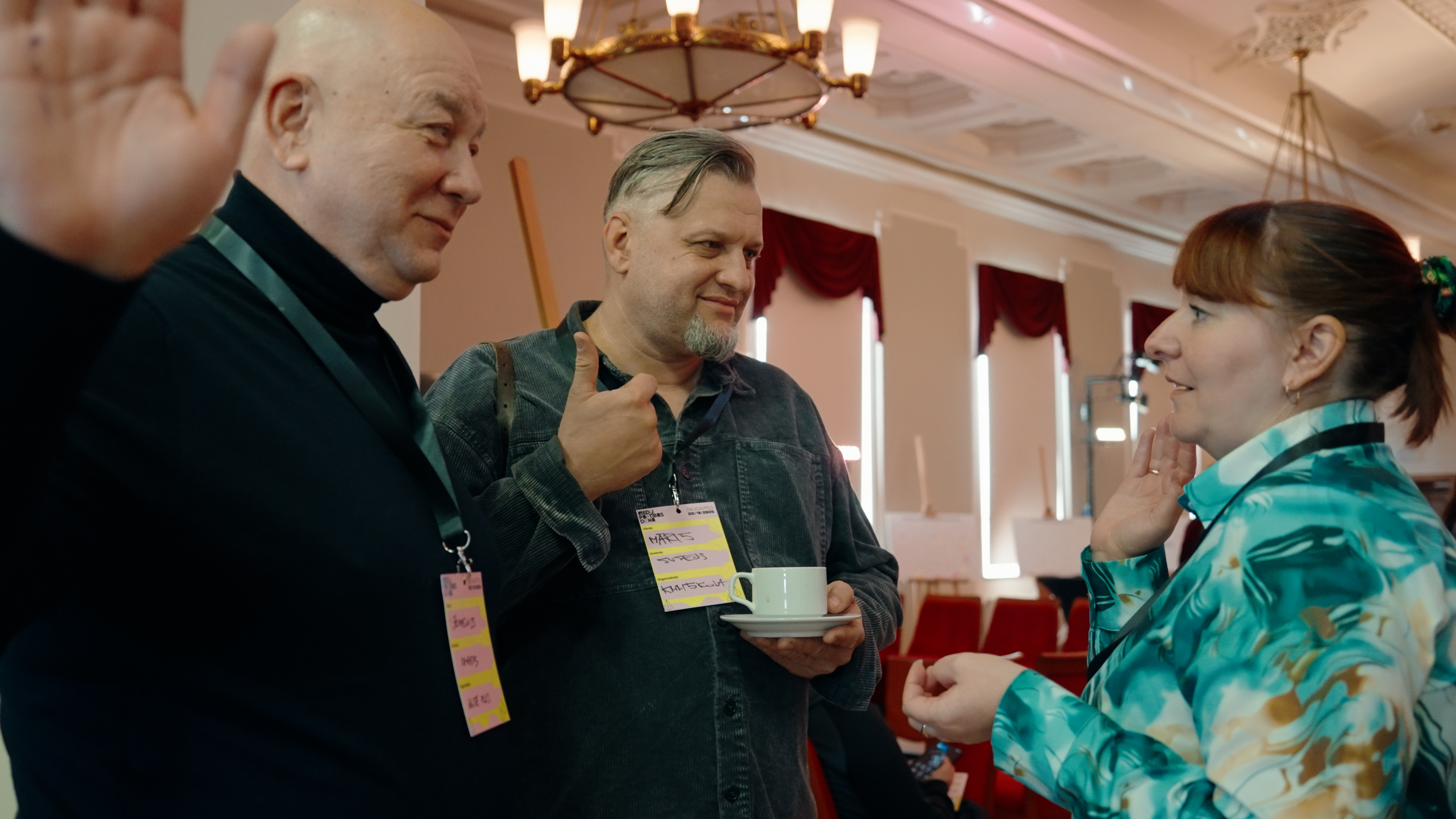
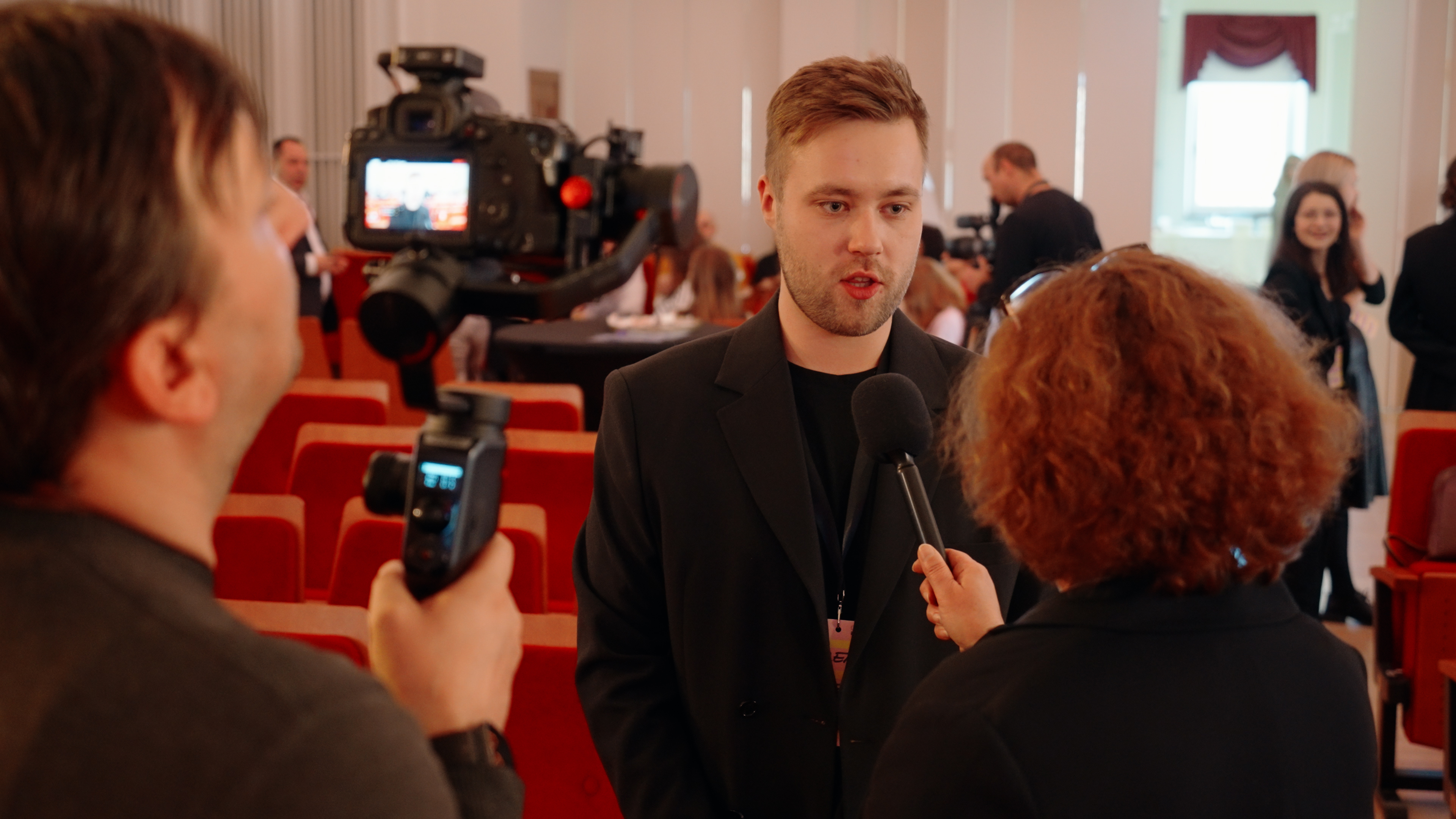
The Baltic Center for Media Excellence, together with New East, kicked off the week early on October 22 with Media Literacy Day in Latgale, the third event of its kind held this year in Daugavpils.
The conference focused on the importance of culture, creativity, and media literacy in building social resilience and security in the Baltic border regions. As a diverse border city, Daugavpils was a particularly fitting venue for this theme, highlighting the importance of cultural, educational, and media bridges that help create cohesive and trust-based communities.
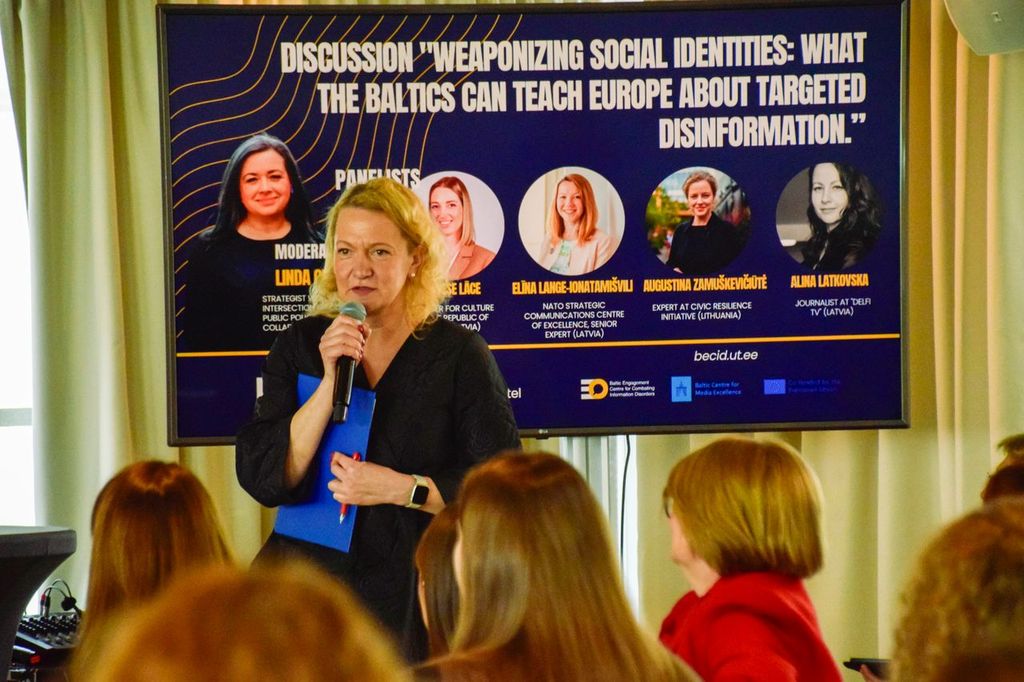
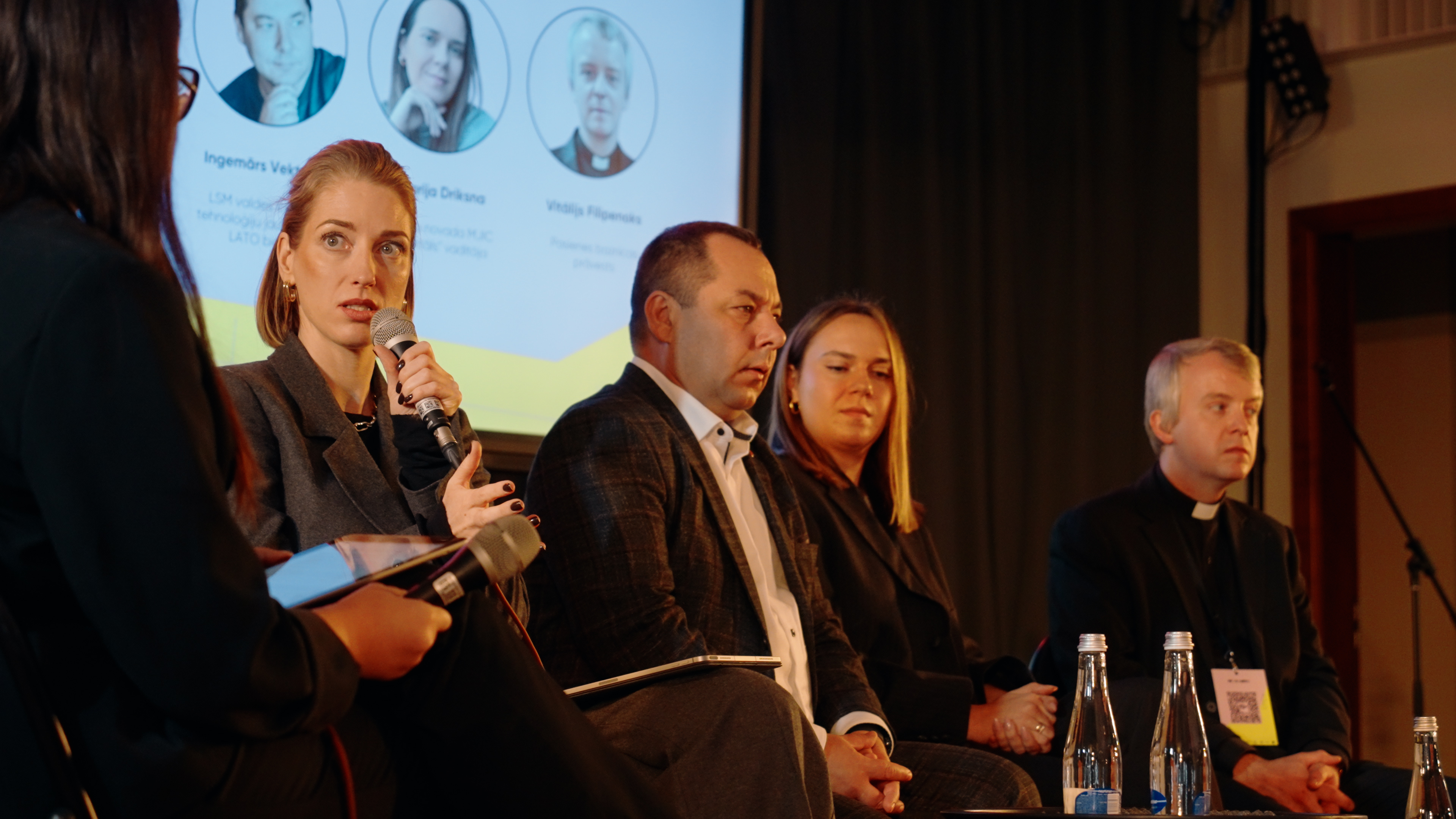
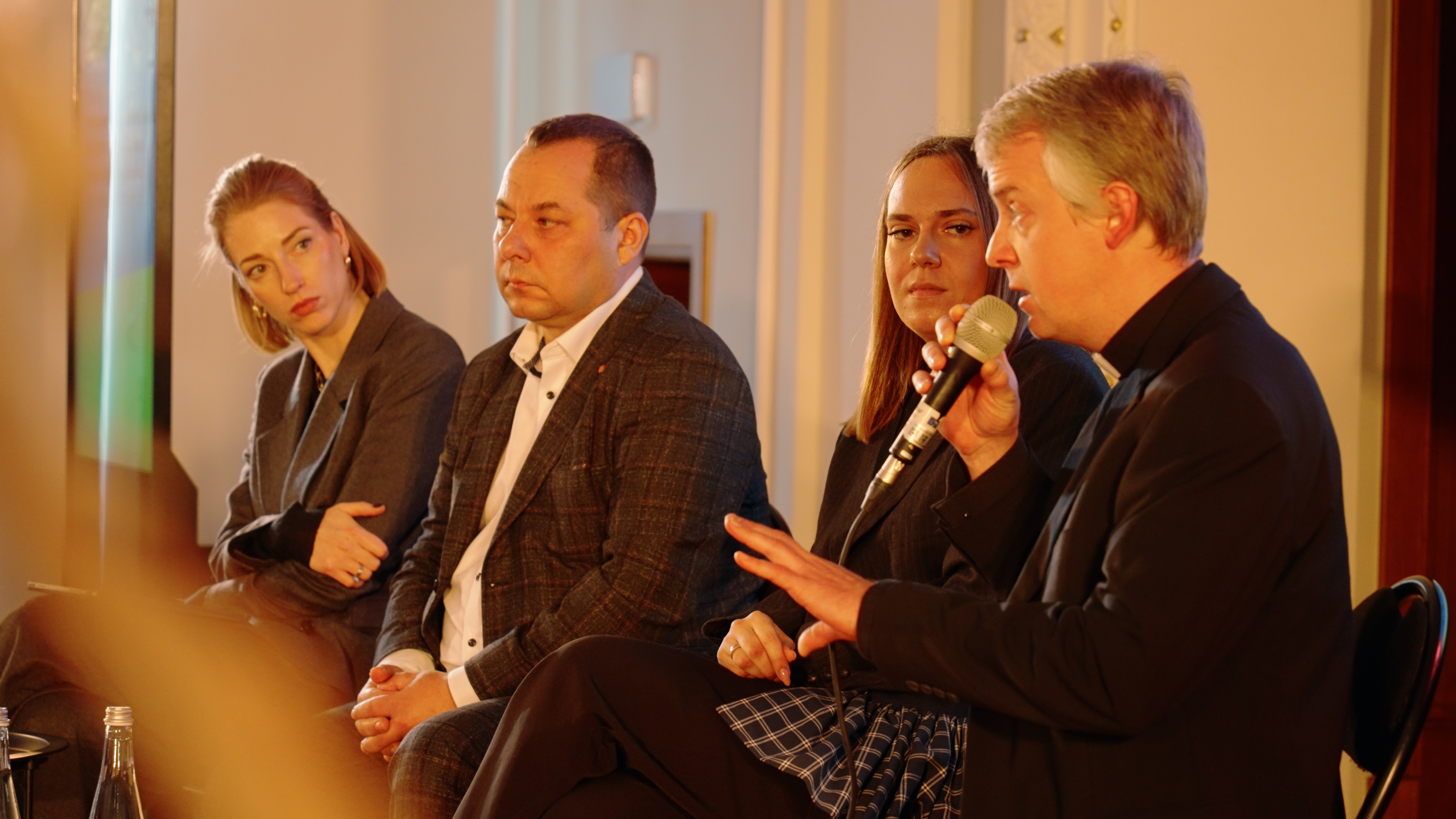
The day opened with a panel discussion titled “Soft Security Tools in Border Regions: How Culture, Media, and Education Strengthen the Latgale Community?” Participants included Minister of Culture Agnese Lāce, LSM board member for technology and LATO member Ingemārs Vekteris, head of Līvāni Youth Centre “Kvartāls” Marija Driksna, and Pasiene parish priest Vitālijs Filipenoks. The discussion was moderated by Vladislava Romanova.
Participants explored whether Latgale residents feel like an integral part of Latvian society, and whether culture, media, and education can serve as pillars of security in times of information warfare.
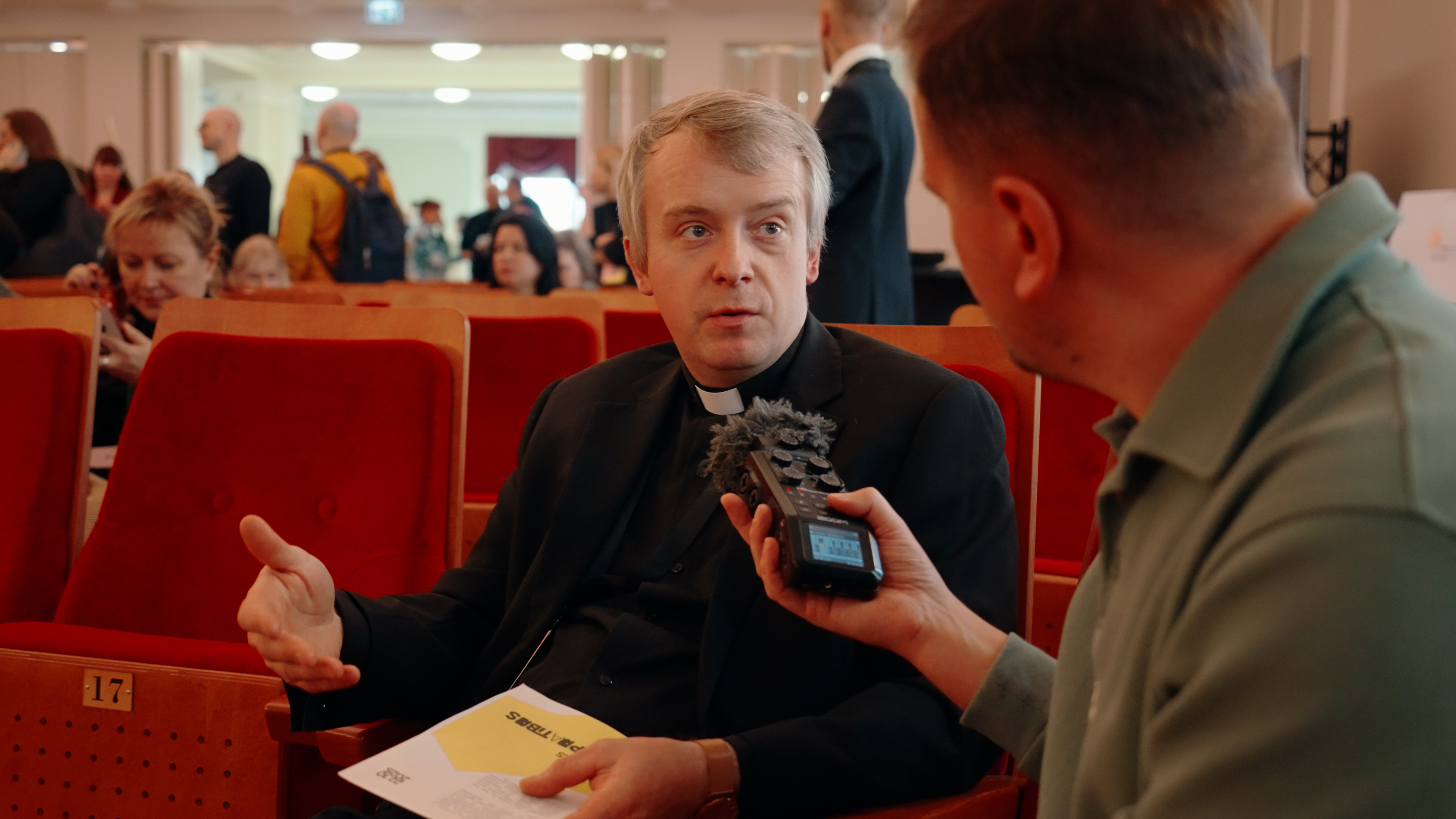
Minister of Culture Agnese Lāce emphasized the importance of culture as a core value in strengthening society. Priest Vitālijs Filipenoks pointed out that small border communities still lack reliable information and explanations about current events. He noted: “A priest must explain both the laws of God and the laws of the state to the congregation,” referring to concerns among residents about military reinforcement and anti-mobility plans along the eastern border. Meanwhile, Marija Driksna highlighted young people’s active engagement and readiness to act: “Young people don’t analyze whether they are part of Latvia—they act to make sure they are.”
After the discussion, participants continued their conversations in a think-tank format led by activist Anželika Litvinoviča. The goal was to foster trust, inclusion, and open dialogue among representatives of different communities.
Conferences like this one bring people together to share stories and listen to others, creating a sense of support and solidarity. This time, Re:Baltica / Re:Check journalist Annija Petrova shared her experience covering hate speech and social division during the COVID-19 pandemic, discussing the documentary series “The Divide.” Her story served as a reminder of the importance of empathy and critical thinking in times of crisis.
The afternoon continued with three parallel sessions—on culture, education, and media.
- The cultural workshop was led by Portuguese artist and cultural mediator Mafalda Garcia (from the Art Academy’s Latgale branch and founder of Organic Synergies). She shared her experience on how creative practices help reduce fear, foster connection, and empower vulnerable social groups.
- The media workshop, led by TVNET Group’s editor-in-chief, Latvian Journalists Association board member, and deputy chair of the Media Ethics Council Toms Ostrovskis, invited participants to have an honest conversation about how editorial decisions are made, why regional topics rarely make it to national media agendas, and how the new generation of journalists looks from an editorial perspective.
- The education workshop was run by Alina Hačetlova, board member and project manager of New East, who demonstrated how the interactive computer game “Disinformation Hunt” can serve as an effective tool for teaching media literacy in schools.
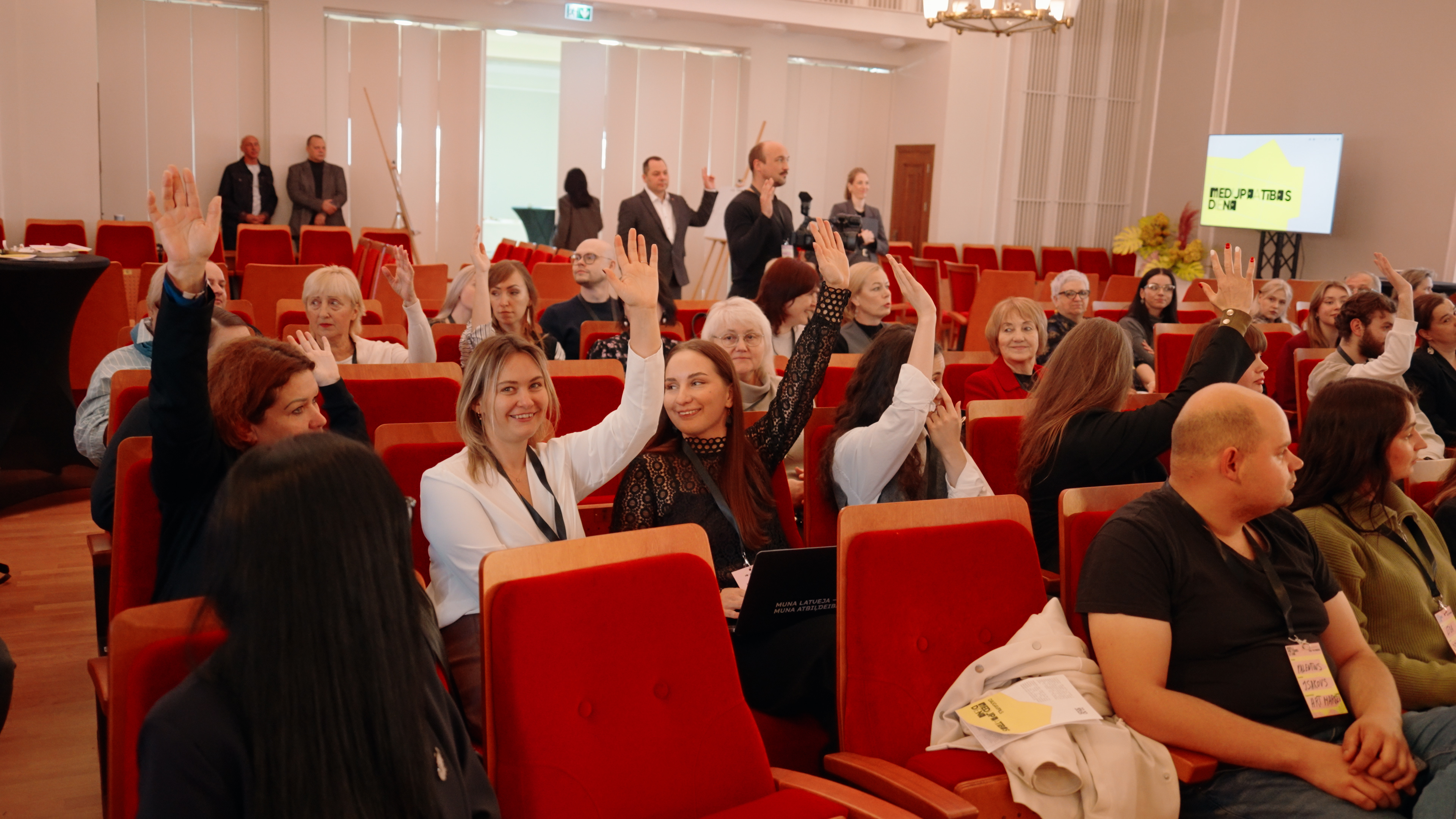
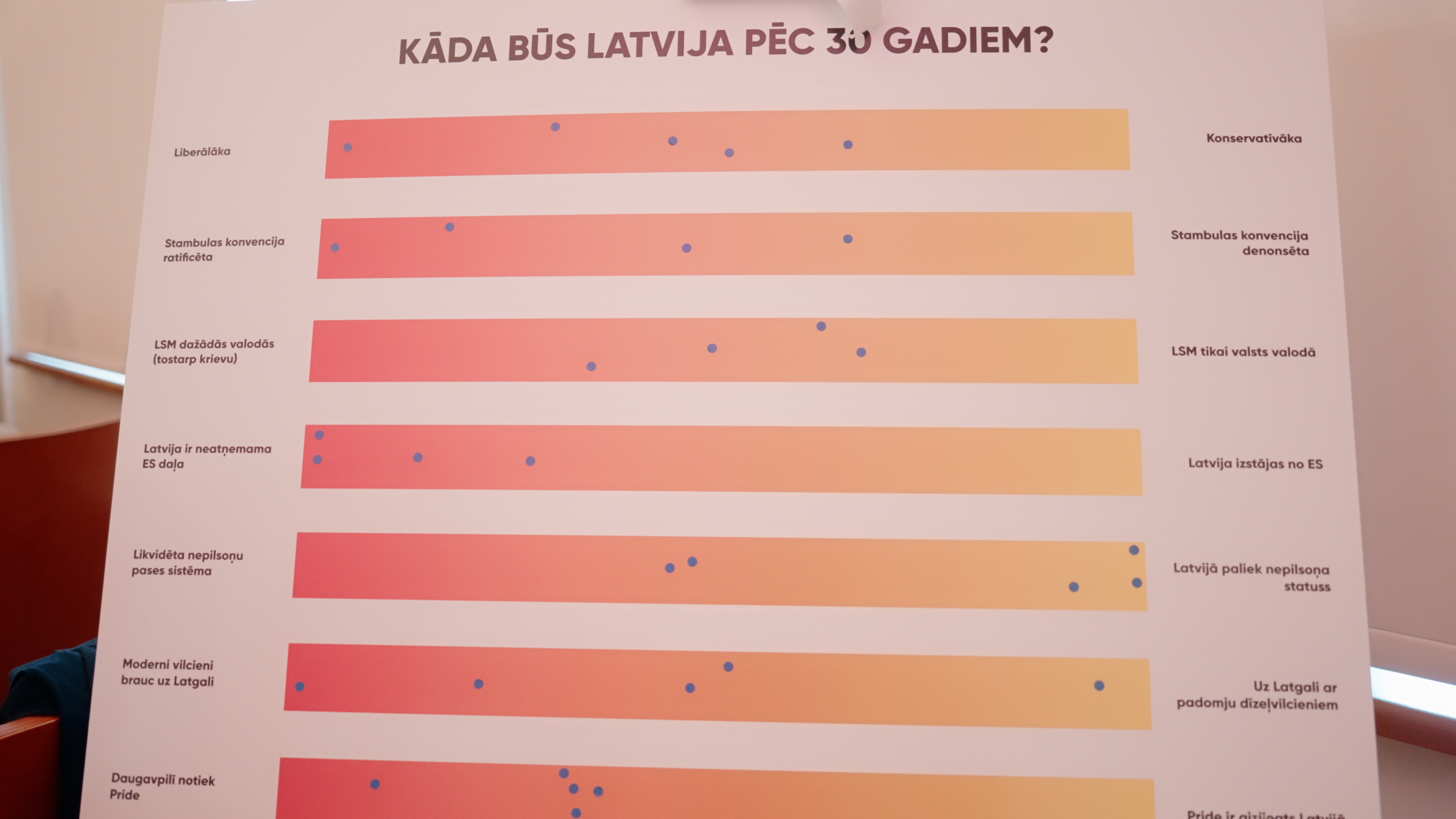
Conference participants also took part in a simulation game analyzing cooperation models among decision-makers, media representatives, NGOs, and active citizens in crisis situations.
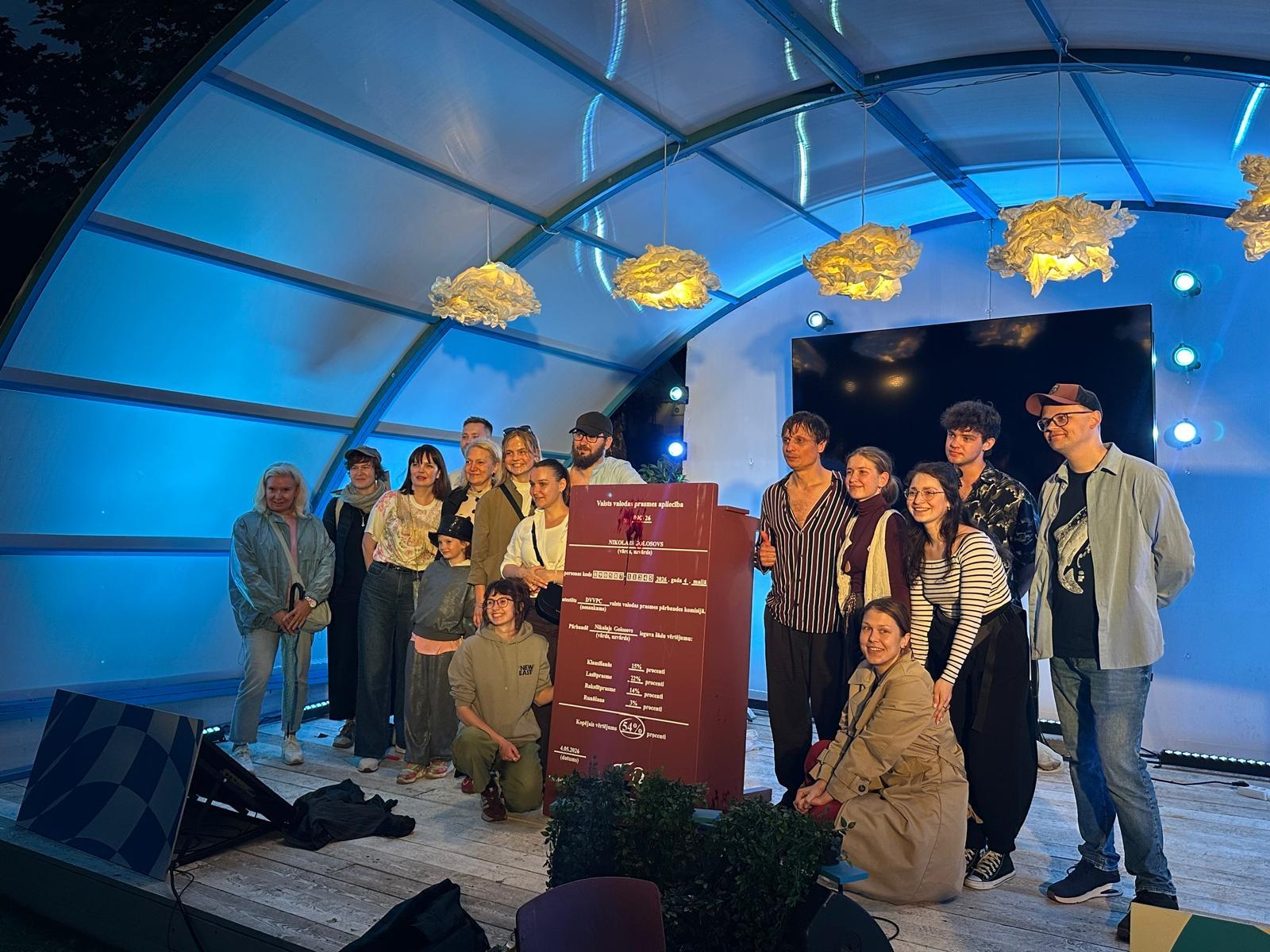
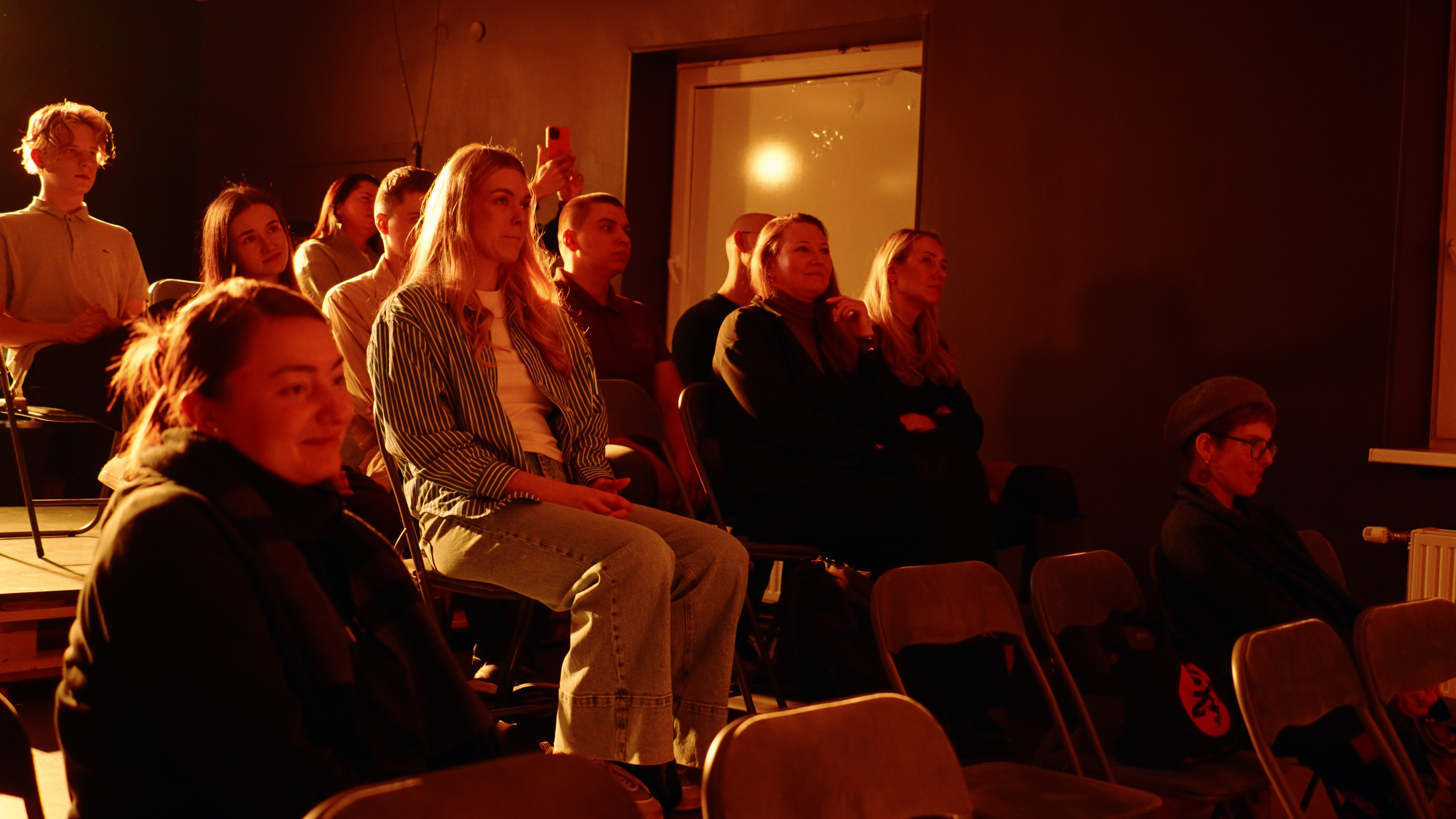
The evening culminated with a monodrama performance, “The Man and the Tyrant”, held at the New East cultural space. Based on Vladimir Nabokov’s story “The Tyrant Destroyed”, the play explores the inner conflict between freedom and submission, empathy and fear. It invites the audience to reflect on the impact of propaganda and demonstrates that dialogue and understanding are more powerful than division. The performance provokes, inspires thought, and reminds us that art, conversation, and participation can help bridge the gaps created by disinformation and fear.
The conference was financially supported by the Embassy of Germany in Latvia and the Society Integration Foundation, using state budget funds allocated by the Ministry of Culture.
Supporters: Google, CRI, and Kultūrvieta V13.